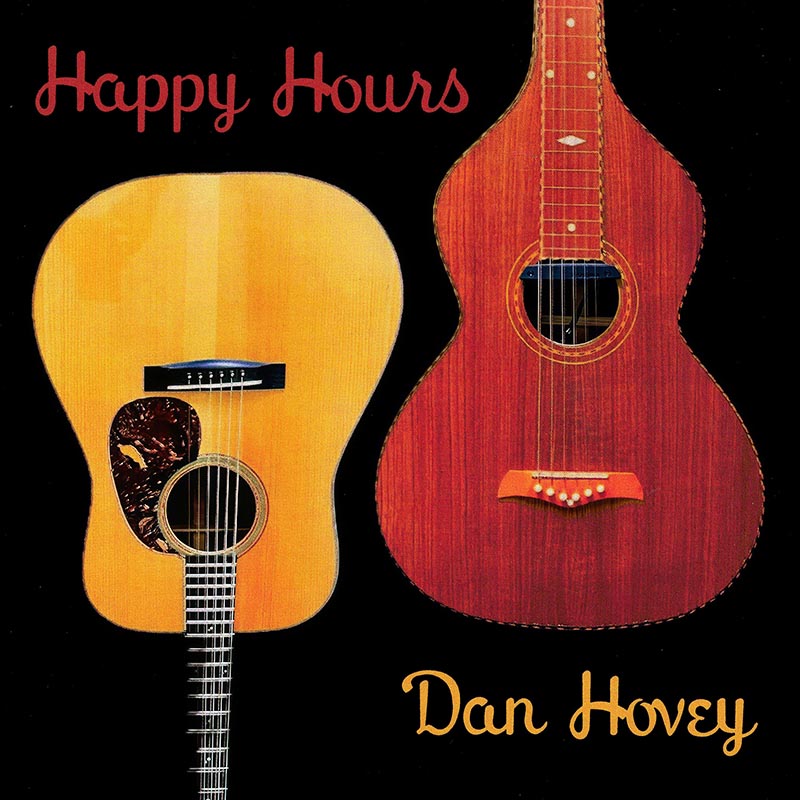
New Release
Music samples:
Something About September
Hand Me Down My Walking Cane
On The Beach at Waikiki
Beyond Here Lies Nothing
Aelish
Damn Near Perfect
Red Pony
Other Band Projects
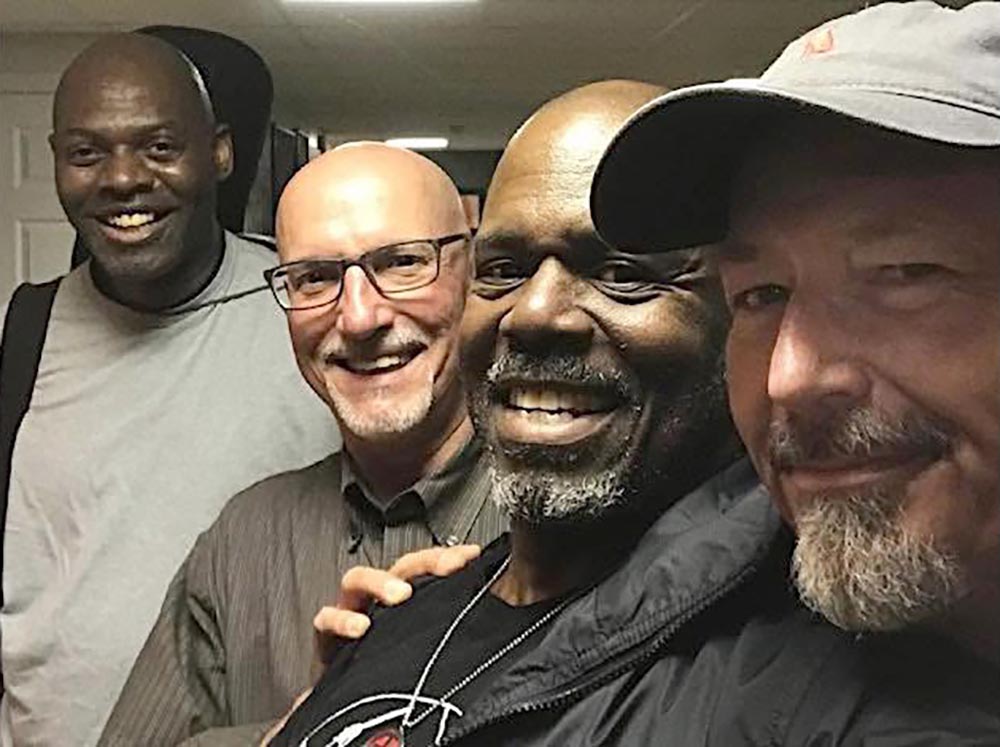
Beast From The East
I can’t say I was crazy about the name Beast from the East when we all voted on it. I may have had other ideas. But as the band came together, I realized that it truly was a beast, and aptly named. This band roars!
Beast from the East started over ten years ago with the idea of bringing together these four particular players, each with a unique skill set, and playing exploratory instrumental versions of some of the pop songs of our generation. That means we’re playing the Beatles, Stevie Wonder, Steely Dan, the Allman Brothers, Earth, Wind & Fire, and others. And we play our own originals right alongside them.
Chuck Underwood and I front the band on electric guitars, with Deren Blessman on drums and Wardell Howell on bass. It’s an ideal lineup for achieving maximum impact while giving us the widest possible palette of colors and textures to choose from.
Currently, we play only once every three months. We pack the house at Dietle’s Tavern in Rockville, Maryland, on a Sunday afternoon from 2:00 to 4:00. Tickets are available through Hank Dietle's on Eventbrite and our next show is scheduled for October 4.
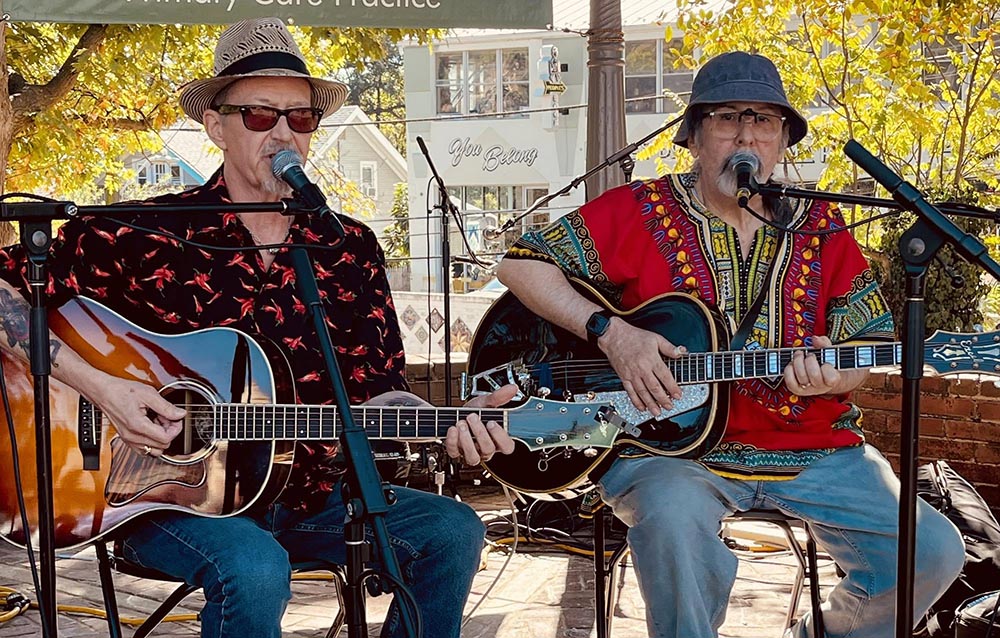
Fausto and Dan
I met Fausto in a guitar shop in Greenwich Village. It was 1989. Somebody had said, “Hey, you guys should meet—you’re both good pickers.” We hit it off and started hanging out. I had just moved to NYC, and Faustohad grown up there on the Upper West Side.
We became an acoustic duo, and pretty soon we were offered Monday nights at the Ear Inn. We were known as Lo Yo-Yo then. The gig started, loosely, at 11 p.m. and usually wrapped up around 3 a.m.Sometimes the sun was up when we left.
Our music was a diverse mix of influences. The ragtime guitar styles of Blind Blake and Rev. Gary Davis werealways central to how we played, but we would also venture into Nat King Cole tunes, old-time country songs, and even the Beatles. We blended our voices in harmony, and along with our acoustic guitars, we added mandolin and lap steel.
I left NYC in 2004, and our residency at the Ear Inn came to an end. But we’ve had a few reunions over the years, and here comes one now.
Look out!! It’s Fausto and Dan.
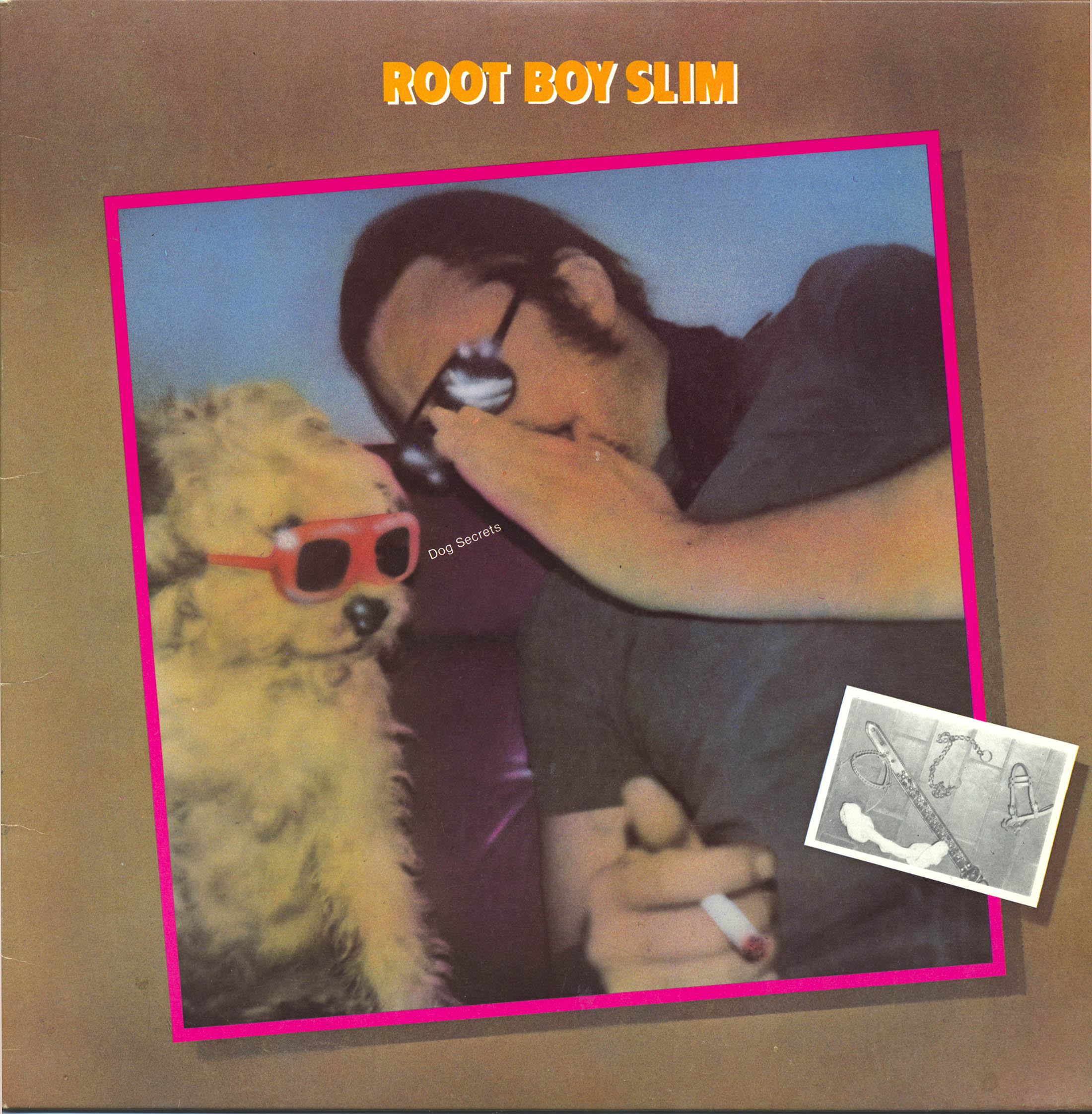
This is the story of my involvement with this album, as I remember it.
It was the summer of 1982 when Joe Lee suggested it was time to make the annual pilgrimage to Bob Greenley's house in Florida to write songs for the next album. I'd been in the band for a while, and Slim, my friend and roommate Leigh Stevens, and I had been writing songs for a side project we called Los Tres Fritos. But none of that material had found its way into the repertoire of The New Hope for the Criminally Insane—the "real" band.
So Slim and Joe Lee, and I climbed into Joe's little Datsun, rolled down the windows, and headed south. We spent about a week writing and recording demos.
Slim's songwriting process was unlike anything I'd ever seen. He would begin by making a list of song titles for songs that didn't yet exist. While the instruments and recording gear were set up, Slim would be...preparing himself creatively, if you catch my drift. Once everything was ready, he'd pick a title from the list and say something like, "Hicktown Pizza-Hut Woman. Who knows it?"
Ernie Lancaster, guitarist from The Sex Change Band and the creator of many of that band's signature riffs,would close his eyes for a few seconds. Then he'd open them and start playing the riff that would becomethe foundation of a brand-new Root Boy Slim song.
From there, Slim would improvise verses, inevitably arriving at the hook—which was also the song title. I'd guess that 75 percent of the finished lyrics came straight from those first improvisations. The remaining 25 percent was created by committee, with everyone in the room throwing out lyric ideas.
Somehow I found my way into the process, contributing both musical and lyrical ideas. I contributed enough to receive a songwriting credit alongside Foster MacKenzie (Root), Bob Greenley, and Ernie Lancaster.
When we returned to Washington, we had a cassette containing about fifteen new songs. We started rehearsing the strongest material, and within a couple of months we had enough songs—and enough money—to begin recording.
Joe Lee brought Earnie up from Florida to produce the album, and studio time was booked at Track Recorders in Silver Spring, Maryland. Ernie approached the project as if Warner Bros. were footing the bill, which was the level of production he was accustomed to. He wanted every note to be perfectly in tune and perfectly in time. We, on the other hand, were a rough-and-ready bar band. We weren't used to working under those standards.
The studio clock kept ticking, and the money disappeared quickly. More funds were raised, and eventually the recording and mixing were completed. Unfortunately, by then there wasn't enough money left to release the album.
Eventually I stopped expecting it ever to come out and moved on from The New Hope for the Criminally Insane.
I don't remember how much time had passed when I got a call from Ron Holloway. The album was finally going to be released—but with a catch. Only about half of what we'd recorded would be used. The remaining tracks would come from recordings by Slim's previous band, Cryin' Out Loud.
And that's exactly what happened.
I was disappointed that our album wasn't released in its entirety, but I was glad that at least some of the work we had poured into it finally saw the light of day.
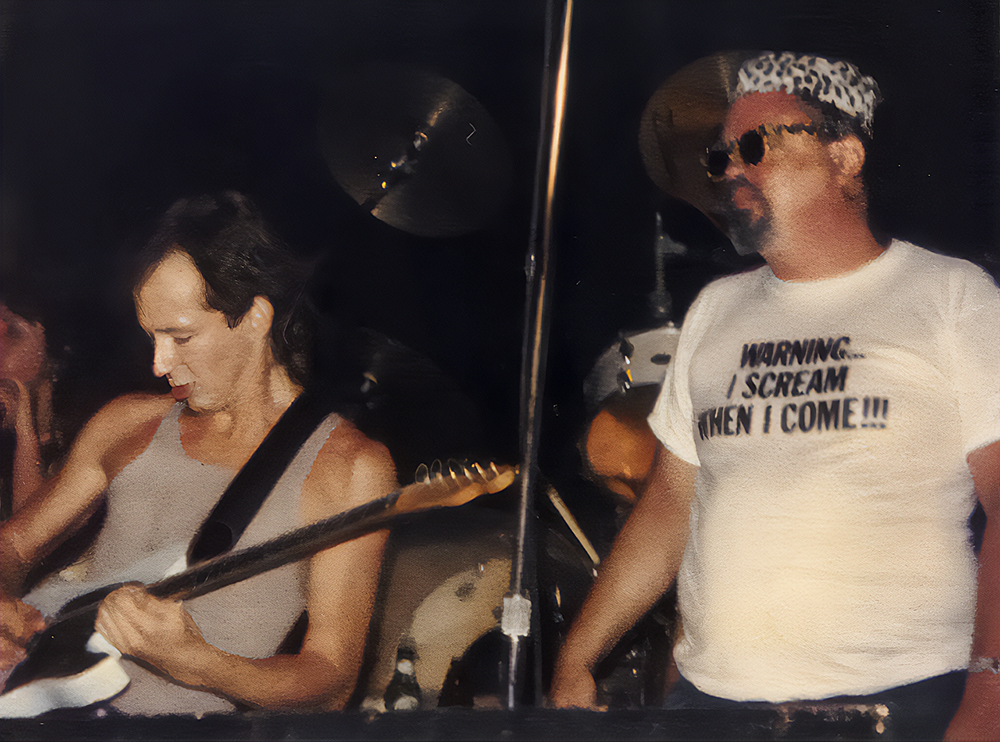
Joe Lee brought Earnie up from Florida to produce the album, and studio time was booked at Track Recorders in Silver Spring, Maryland. Ernie approached the project as if Warner Bros. were footing the bill, which was the level of production he was accustomed to. He wanted every note to be perfectly in tune and perfectly in time. We, on the other hand, were a rough-and-ready bar band. We weren't used to working under those standards.
The studio clock kept ticking, and the money disappeared quickly. More funds were raised, and eventually the recording and mixing were completed. Unfortunately, by then there wasn't enough money left to release the album.
Eventually I stopped expecting it ever to come out and moved on from The New Hope for the Criminally Insane.
I don't remember how much time had passed when I got a call from Ron Holloway. The album was finally going to be released—but with a catch. Only about half of what we'd recorded would be used. The remaining tracks would come from recordings by Slim's previous band, Cryin' Out Loud.
And that's exactly what happened.
I was disappointed that our album wasn't released in its entirety, but I was glad that at least some of the work we had poured into it finally saw the light of day.
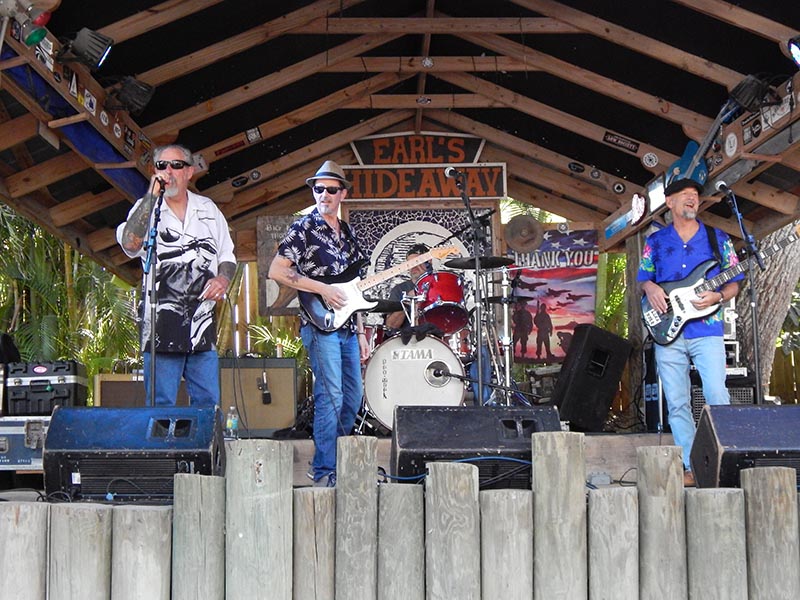
“You’ve got to see the Nighthawks! They might go big! If you see them, you’ll want them to go big!”
This is what the older kids were saying. I was probably still 16 at this point, and my 18-year-old friends could go see them in clubs where alcohol was served. I didn’t get to see them until a couple of years later, when I was in school in Boston.
I saw them for the first time at Jonathan Swift’s in Cambridge, Massachusetts. They were unbelievable. Besides being four great musicians, they had tons of personality and chemistry.
The thing that knocked me out the most—something I had never witnessed to this degree—was their ability to hit a song with the groove feeling perfect right from note one. Then, about one second after that song was done, they’d hit the next one, and the groove would be the perfect follow-up to the previous one. Always changing, always building in intensity.
It wasn’t just the songs. It was the overarching shape of the whole set.
“I would love to be in a band like that someday,” I thought. It never occurred to me that I might
actually be in that band. They were older, already established, and that possibility just wasn’t in the
cards.
Many years transpired. The 1980s. The 1990s.
In 2004, I found myself moving back to the DC area from New York, not knowing what I was going to do musically. I had only been back a few days when I ran into Pete Ragusa, the drummer for the Hawks. I had known Pete since the mid-1980s.
“What are you doing here?” he asked, knowing that I had been in New York for quite a long time.
I told him I had just moved back to the neighborhood.
“Outrageous!” was his response. “We just replaced our guitar player. I wish I had known you’d be around.”
Ah well, a close one, I told myself.
And the years went by.
Then, in 2016, the band’s guitarist announced that he would be leaving. By now, I knew Mark Wenner pretty well as a neighbor. He walked his four Australian Shepherds past my house every day, and we would chat over the fence.
He asked me if I’d be interested in being a Nighthawk.
I immediately said, “Sure.”
Many years transpired. The 1980s. The 1990s.
In 2004, I found myself moving back to the DC area from New York, not knowing what I was going to do musically. I had only been back a few days when I ran into Pete Ragusa, the drummer for the Hawks. I had known Pete since the mid-1980s.
“What are you doing here?” he asked, knowing that I had been in New York for quite a long time.
I told him I had just moved back to the neighborhood.
“Outrageous!” was his response. “We just replaced our guitar player. I wish I had known you’d be around.”
Ah well, a close one, I told myself.
And the years went by.
Then, in 2016, the band’s guitarist announced that he would be leaving. By now, I knew Mark Wenner pretty well as a neighbor. He walked his four Australian Shepherds past my house every day, and we would chat over the fence.
He asked me if I’d be interested in being a Nighthawk.
I immediately said, “Sure.”
Songs of Sin and Other Things