Home Recording Journey
The first thing I ever recorded was a rehearsal of my very loud teenage rock band. I put the cassette recorder in the middle of the room, hit Record, and hoped for the best. The results were, of course, horrible—but it was a start. The next question was obvious: how do we make it sound better?
Not long afterward, one of my bandmates brought over an Akai reel-to-reel that his older brother had brought back from Vietnam. That was an improvement, but we still didn't know enough to get good recordings. Embarrassing as it is to admit, I think we even tried using a PA head as a microphone preamp.
I became fascinated with overdubbing, but nothing being marketed to consumers really did it. You could buy machines that offered "sound-on-sound," but every overdub drifted out of sync. Then TEAC introduced its four-track recorder with Simul-Sync, and suddenly it seemed like the future. Unfortunately, I couldn't afford one.
I eventually bought a Dokorder, basically a TEAC knockoff. In less than a year it only had three working tracks. I never got it fixed.
I won't bore you with my entire recording history, but I've been fortunate to experience nearly every major step in the evolution of home recording. I was there when TEAC introduced the 244 Portastudio—the four-track cassette machine that changed everything. I was an early adopter of the Alesis ADAT, paired with a Mackie mixer. (Apparently I still hadn't learned that PA mixers aren't recording consoles.)
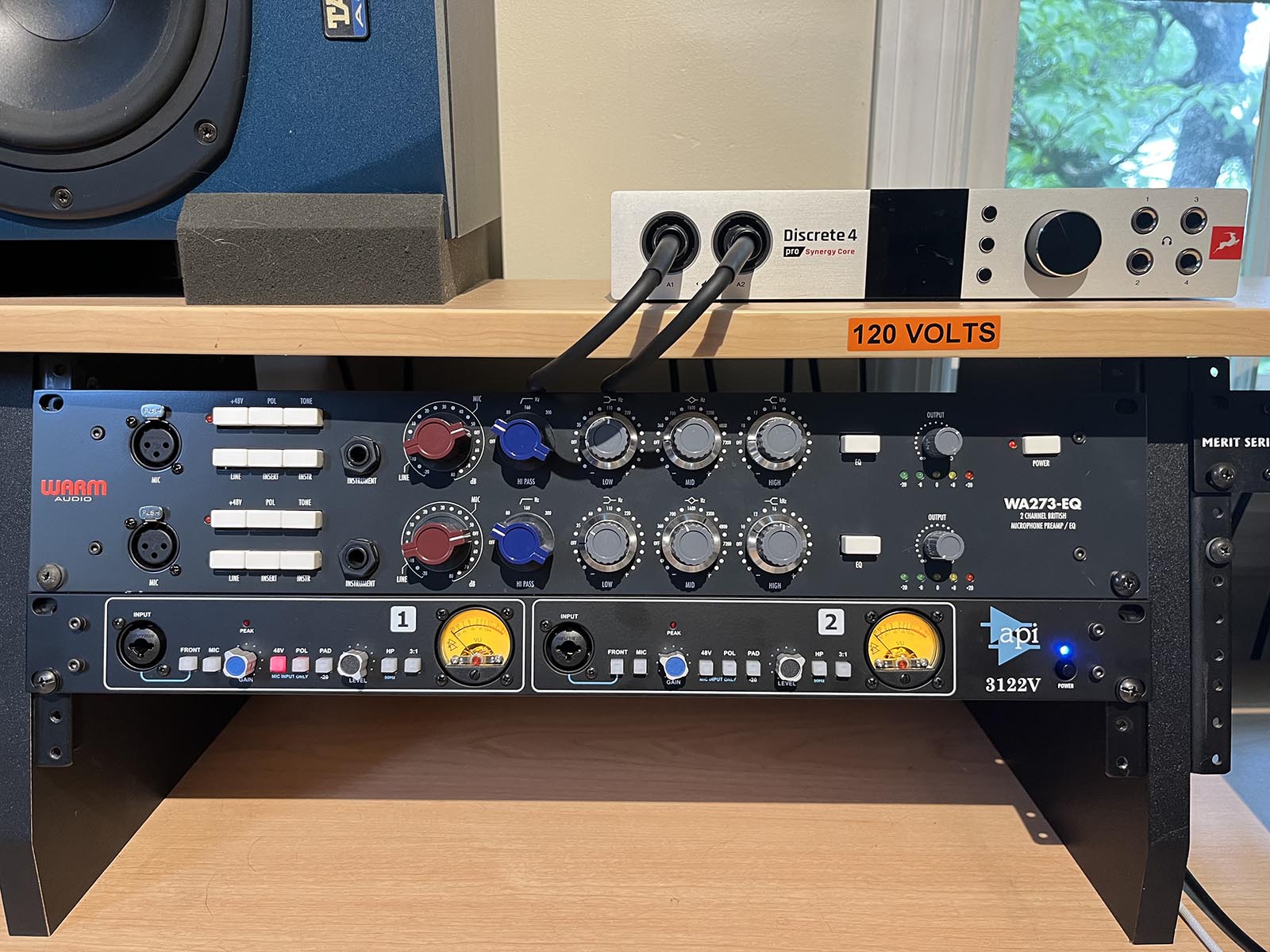
These days I spend a good portion of every week recording and mixing in Logic Pro. It's been quite a journey.
Has home recording really gotten any better?
Hell yes.


Songs of Sin and Other Things